
Buying loose diamonds wholesale as a jeweler
How trade accounts actually work, when a phone call beats a cart, and the red flags that should end a conversation.
Key takeaways
- A trade account is free to open, and once you are signed in, prices show on every stone.
- Memo goes to qualified accounts. A dealer extends it after some trading history, usually starting at a modest ceiling.
- Use the cart when you already know the stone. Call when you know the requirement but not the stone.
- Bring six things to a call: natural or lab-grown, shape and ratio, a weight band, color and clarity floors, budget per carat and total, and the mounting and deadline.
- Walk from a price far under market with no explanation, a withheld report number, or pressure to wire before you have seen anything.

A jeweler buying his first stones at wholesale usually runs into the same three walls: nobody shows prices, everybody wants paperwork, and half the market answers a specific question with a sales pitch. None of that is mysterious once you know how the trade is set up.
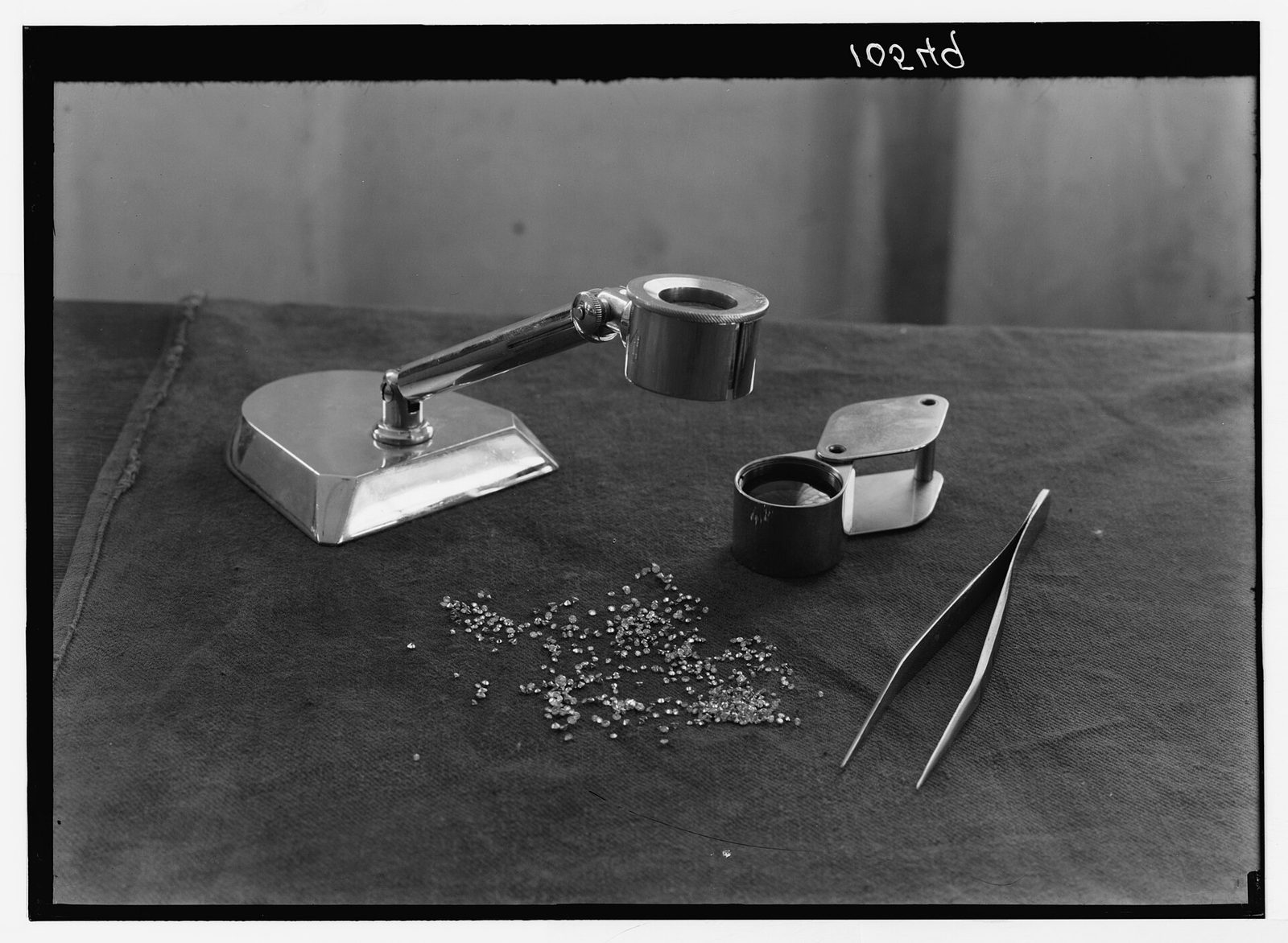
How does a wholesale diamond account work?
A trade account is a dealer confirming you are a business in the jewelry trade, and then opening pricing and terms to you on that basis. It is not a membership and it should not cost you anything to open. What it buys the dealer is confidence that he is quoting a jeweler, a designer or another dealer rather than a retail consumer, which is what lets him quote wholesale at all.
Expect to be asked for the ordinary proof: a business name, a resale or seller's permit number, a business address and a trade reference or two. That is standard and you should be suspicious of anyone who skips it entirely, because a dealer who does not screen his buyers is quoting the same prices to your customers.
Ours is free to open, and it takes minutes. Prices show on every stone once you are signed in, on the live list, with no quote request in between. We take that position on purpose: a jeweler working out whether a deal pencils cannot do it from a page that hides the number.
Do you get terms, and how does memo work?
Memo means a dealer sends you a stone on consignment so you can show it to your customer before you own it. Title stays with the dealer, you are responsible for the stone while it is with you, and you either buy it or send it back inside an agreed window. It is how most center stone sales at retail actually happen, and it exists for qualified accounts at most real wholesalers, ours included.
Qualified is the operative word. Memo is unsecured credit in the shape of a diamond, so a dealer extends it once he knows you: after some trading history, on the back of trade references, and usually starting at a modest dollar ceiling that grows. Do not take it personally if the first order is prepaid. Everyone starts there.
Get this in writing before the first memo
The return window in days, and who carries insurance in transit and while the stone sits in your safe. Both belong on the memo document itself, not in a text message.
When should you call instead of using the cart?
Use the cart when you already know the stone. Use the phone when you know the requirement but not the stone.
| The job in front of you | Where it goes |
|---|---|
| A specific listed stone you have already looked at on video. | Cart |
| A shape and grade combination that is deep in stock, where you have real choice on the list. Rounds and ovals are the obvious ones. | Cart |
| Repeat buying against a spec you have filled before. | Cart |
| A matched pair, or side stones that have to fit a specific center. See how matched pairs are actually matched before you call. | Call |
| Matching a stone your customer already owns, or filling a hole in an antique piece to a millimeter size. | Call |
| A thin shape where the whole market has a handful of the right thing, which is most specialty outlines. | Call |
| A budget-first search, where the per carat ceiling matters more than any single grade. | Call |
| A deadline. If it has to be in a setting by Friday, say so in the first sentence. | Call |
What should you have ready before you call?
Have six things ready and a dealer can work your request in one call instead of four.Vagueness is what makes wholesale buying slow, not the dealer.
- Natural or lab-grown. These are separate lines with separate pricing and separate shelves. Deciding this first cuts the conversation in half.
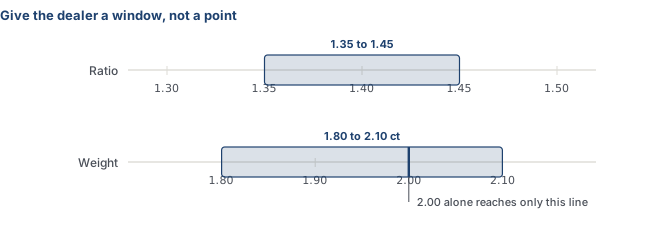
- Shape, and a ratio band if it is a fancy shape. Say 1.35 to 1.45, not nice and elongated.
- A weight band, not a number. 1.80 to 2.10 gets you stones. Exactly 2.00 gets you one stone or none.
- Color and clarity floors. The lowest you will accept, not your ideal. Dealers search from the floor up.
- Budget per carat and total. Both. They point at different searches, and giving only the total makes a dealer guess.
- The mounting and the deadline. Millimeter constraints, halo or bezel, and the date it has to be finished.
One more thing that helps more than jewelers expect: say what you will trade away. If your customer cares about spread above all, say so and we will show you shallow stones just under a break point. If the paper has to say two carats, that is a different search and we will stop wasting your time on 1.95s.
What are the red flags in the wholesale market?
The reliable warning sign is any answer that is less specific than your question. Beyond that, these are the ones that cost jewelers real money.

- A price far under the market with no explanation. There is always a reason. Fluorescence, a bad make, a treated stone, a lab nobody respects, or a stone that does not exist. Ask which one it is.
- No report number until after you commit. A report number is not confidential. Anyone withholding it is managing what you can check. See what to verify on a GIA or IGI report before you pay for anything.
- Certificate language that dodges. GIA-type, GIA-equivalent, certified by our own gemologist, in-house certified. Any of those means not GIA and not IGI. Read them as a price signal.
- Refusal to send video. Every serious dealer has video on every stone in 2026. No video means either no stone or a stone that does not survive being looked at.
- The stone that is always just sold. The listing that keeps reappearing and is never available is bait for a phone call, and the substitute offered is the actual product.
- Treatment not disclosed in writing. Fracture filling, laser drilling, HPHT color treatment. These are legitimate goods when disclosed and a lawsuit when not. Get it on the invoice.
- Pressure to wire before you see anything. Wire fraud in this industry is overwhelmingly a change of bank details in an email thread. Confirm wire instructions by phone, to a number you already had, every single time.
- No written return window. A verbal one is not a policy.
Last one, and it is the least dramatic: a dealer who never says no. Real stock has holes in it. A shape runs out, a grade band is empty, a size is not there this month. Anyone who can always find exactly what you asked for, immediately, is either quoting stones he does not have or quoting a broker who is quoting another broker, and the price is picking up a margin at every hop.
When you are ready, the whole shelf is open after a free sign-in on the inventory, and anything that needs a real search is a phone call or a quote request. Bring the six things above and you will have an answer the same day.
Frequently asked questions
Do I need a resale certificate to buy diamonds wholesale?
You need to show you are a business in the trade. A resale or seller’s permit number is the usual proof, alongside a business name, a business address and a trade reference or two. It is standard, it costs nothing, and a dealer who screens nobody is quoting your retail customers the same prices he quotes you.
What is diamond memo, and who gets it?
Memo is consignment: the dealer sends you a stone so you can show it before you own it. Title stays with the dealer, you are responsible for the stone while you hold it, and you buy it or return it inside an agreed window. It goes to qualified accounts, normally after some trading history, starting at a modest dollar ceiling.
Why do wholesale diamond sites hide their prices?
Because the price is only wholesale if the buyer is in the trade, so most dealers gate it behind an account. We gate it behind a free sign-in rather than a quote request: a jeweler working out whether a job pencils cannot do it from a page that hides the number.
What should I have ready before I call a diamond dealer?
Six things: natural or lab-grown, the shape and a ratio band, a weight band rather than an exact weight, color and clarity floors, your budget both per carat and total, and the mounting plus the deadline. With those six a dealer can work the request in one call instead of four.
What are the warning signs of a bad diamond deal?
A price far under market with no explanation, no report number until you commit, certificate language like “GIA-type” or “in-house certified”, refusal to send video, a stone that is always just sold, undisclosed treatment, and pressure to wire funds before you have seen anything. Confirm wire instructions by phone every time.
Sources
- Photo: "Jewish factories in Palestine, Tel Aviv Diamond works, cut and polished diamonds ready for sale" by G. Eric and Edith Matson Photograph Collection, Public domain, via Wikimedia Commons (Library of Congress), resized
- Photo: "Diamond Balance Scale 0.01 - 25 Carats Jewelers Measuring Tool" by Sally V, CC BY-SA 4.0, via Wikimedia Commons, resized
- Photo: Round diamond held in tweezers, Arjiv Exports on Pexels
Related reading


HV Diamonds is a wholesale loose diamond dealer in Los Angeles. Natural and lab-grown are kept as separate lines. Prices show on every stone once you are signed in, and an account is free.
Need something that is not on the list? Call the office at 213-612-0324 or send a quote request with the shape, the size band and the deadline.