What wholesale diamond prices actually look like
Per-carat math, break points, and why the natural and lab-grown markets no longer move together. Written for someone buying, not browsing.
Key takeaways
- Wholesale diamonds are quoted per carat. The stone price is the per carat price times the weight, and dealers negotiate in per carat terms all day.
- Natural runs in the thousands of dollars per carat. Lab-grown runs in the hundreds. That gap is structural, not a promotion.
- Break points at 0.50, 0.70, 0.90, 1.00, 1.50, 2.00, 3.00 and 5.00 carats are steps, not a slope. A 0.96 and a 1.00 look identical and do not price identically.
- The two markets move on different inputs: rough supply and the cost of money on one side, growing capacity and energy cost on the other.
- Give a dealer both ceilings, per carat and total. They point at completely different searches.

Retail sites quote you a stone. Dealers quote you a carat. Everything confusing about wholesale pricing comes from that one difference, so start there.
How does wholesale diamond pricing actually work?
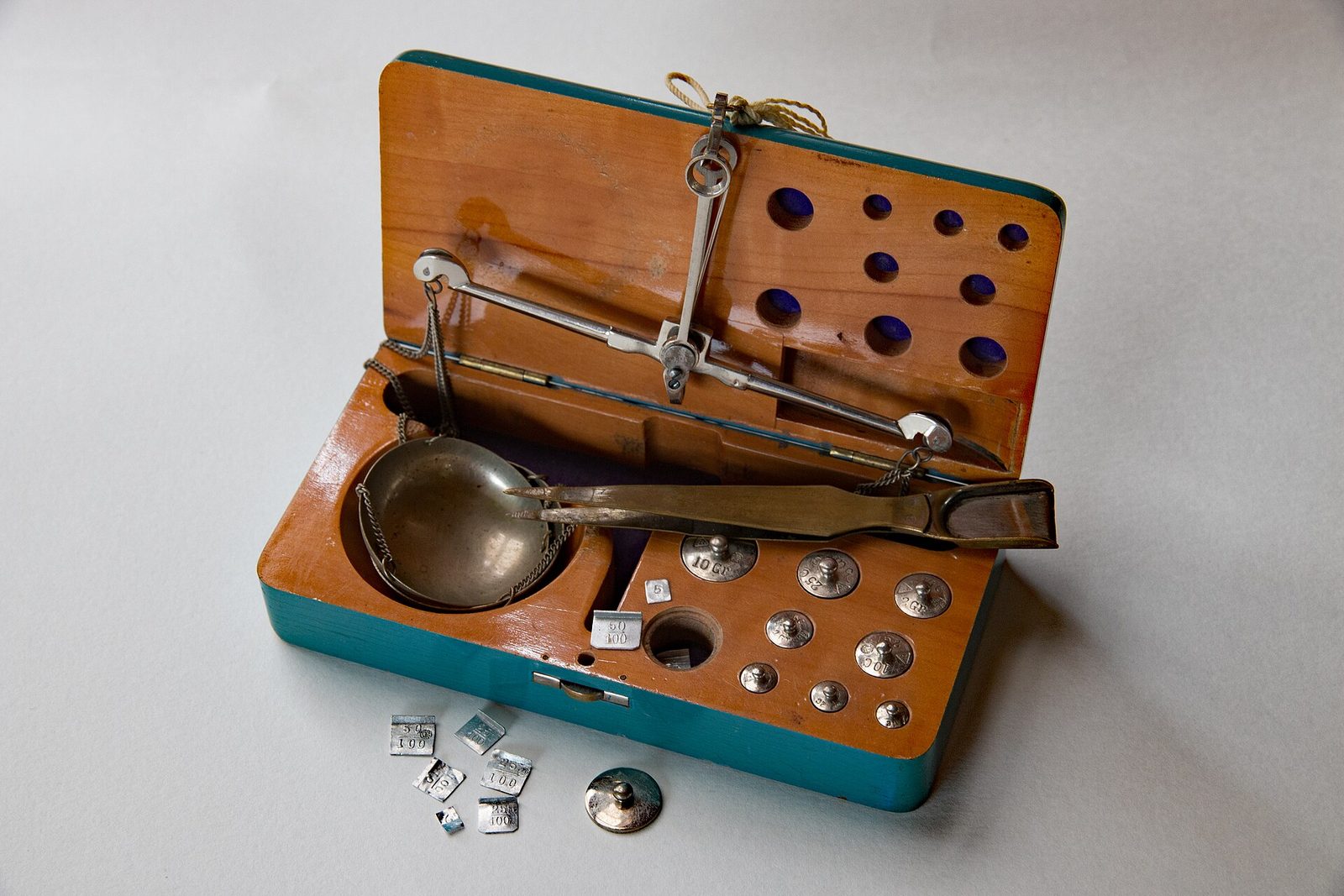
Wholesale diamonds are priced per carat, and the price of the stone is the per carat price multiplied by the weight. A 1.52 quoted at a given per carat number costs that number times 1.52. Dealers think, quote and negotiate in per carat terms all day, and a jeweler who talks in total stone price is always half a step behind the conversation.
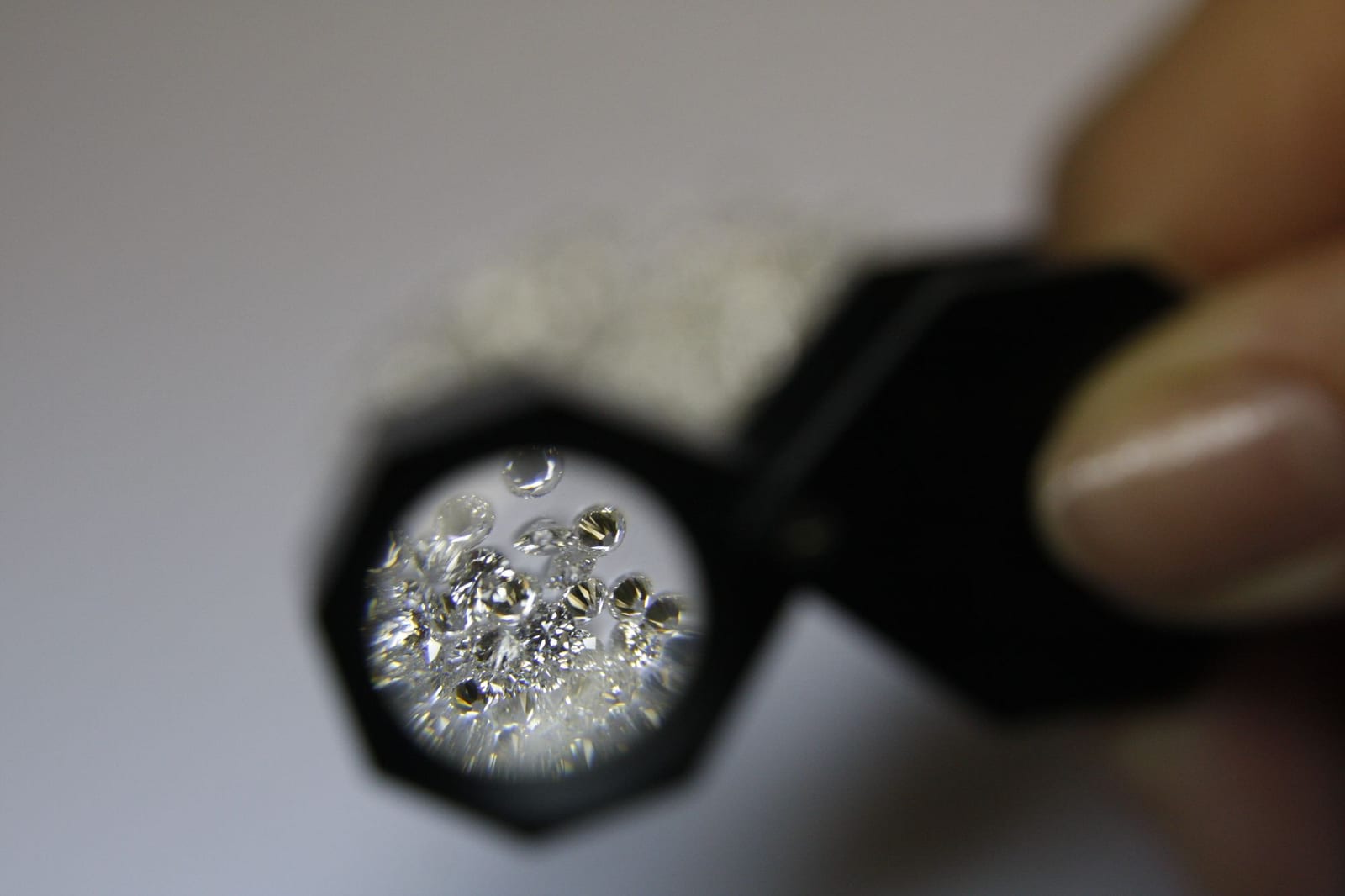
A jeweler who talks in total stone price is always half a step behind the conversation.
The reason is comparison. Two stones with different weights cannot be compared on total price at all, but their per carat prices sit side by side honestly. When you tell us your budget, tell us both: the ceiling on the stone and the ceiling per carat. Those two numbers point at very different searches, and the second one is the one that lets a dealer actually work.
Above the per carat price sits a reference list. The trade has long quoted natural diamonds as a discount off a published price list, so you will hear a stone described as so many points back of list rather than by its dollar figure. It is shorthand, it is approximate, and it applies to natural far more cleanly than to lab-grown. Do not treat a deeper discount as a better buy on its own. A steep discount off list usually means something about the stone, and it is your job to find out what.
What does natural wholesale cost per carat?
Natural diamonds at wholesale run in the thousands of dollars per carat across the range most jewelers buy in. That is the honest order of magnitude, and anyone giving you a tighter number without knowing the shape, weight, color, clarity and cut is selling you something.
The spread inside that range is enormous. Color and clarity alone can move the per carat price several times over between the top and the bottom of a shape's run, and cut quality moves it again on top of that. A well cut round carries a premium over every fancy shape at the same grades, because rounds lose the most weight in cutting and because they are the most liquid stone in the market.
What does lab-grown cost per carat?
Lab-grown diamonds at wholesale run in the hundreds of dollars per carat, not the thousands. That gap is the single most important thing to understand about the two lines, and it is not a temporary promotion.
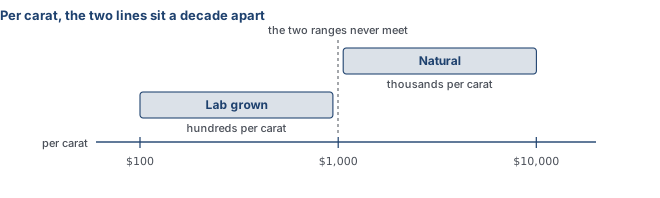
It is also why the two are quoted, stocked and sold as separate businesses rather than as two grades of the same product. We keep them on separate lines for exactly that reason. Mixing them in one quote does nothing but confuse a customer who is trying to decide between two genuinely different purchases.
What are break points, and why do they cost you money?
Break points to know
0.50, 0.70, 0.90, 1.00, 1.50, 2.00, 3.00 and 5.00 carats. The jump in per carat price at each one is a step, not a slope. A 0.99 and a 1.01 are the same stone to the naked eye and are not the same stone on a price list.
Use that. If your customer wants a one carat look and your margin is tight, shop 0.90 to 0.99 and you will buy a visibly identical stone for meaningfully less per carat. The millimeter spread on a well cut 0.96 round is within a rounding error of a 1.00. If your customer wants the number on the paper to say one carat, that is a different order and you should price it as one. Both are legitimate. Just know which one you are filling.
The same logic works on fancy shapes with more room to play, because fancies are bought on how they look more than on the printed weight. An oval or an emerald cut just under a break point, chosen for spread, will out-face a heavier stone cut deep, and it will cost less per carat to boot.
Why do the natural and lab markets move independently?
They move independently because they are supplied by completely different systems. Natural supply is finite and slow. Lab-grown supply is manufacturing capacity, and capacity gets added whenever someone finances more reactors.
What moves the natural market:
- Rough supply from the mines, and the pricing decisions of the few producers who control it.
- Cutting center activity in India, including labor cost and how much capital is available to keep goods moving.
- The cost of money. Most of the pipeline runs on credit, and when financing tightens, dealers sell inventory to raise cash and prices soften.
- Retail demand cycles, which are seasonal and regional and hit certain shapes and sizes rather than the whole market at once.
What moves the lab-grown market:
- Growing capacity. New reactors coming online push prices down, and they have been coming online steadily.
- Energy and equipment cost, which is the real input cost of a lab-grown stone.
- Yield improvements in growing and cutting, which lower cost per finished carat without anyone announcing anything.
- Sizes and shapes that are cheap to grow, which is why very large lab-grown stones got dramatically less expensive faster than small ones did.
| Natural | Lab-grown | |
|---|---|---|
| Per carat cost | Thousands of dollars per carat across the range most jewelers buy in. | Hundreds of dollars per carat, not the thousands. |
| Supply | Finite and slow. | Manufacturing capacity, added whenever someone finances more reactors. |
| What moves the price | Rough supply and producer pricing, cutting center activity, the cost of money, retail demand cycles. | Growing capacity coming online, energy and equipment cost, yield improvements, which sizes and shapes are cheap to grow. |
Those two lists barely touch. A bad quarter in natural rough does nothing to a lab-grown price sheet, and a new growing facility does nothing to a natural one. Anyone telling you that lab-grown prices will drag natural prices down in a straight line is describing a theory, not a market.
What else changes the number you are quoted?
Beyond the four Cs, four things move a wholesale quote more than jewelers expect. Cut quality and make, which on a natural round is worth real money and on a fancy shape shows up as spread and as a bow tie you can or cannot live with. Fluorescence, which can cut the price on a stone that looks perfectly fine to the eye, and is one of the few honest bargains left in natural. Which lab graded it, since two reports are not interchangeable and the market prices that difference in. And how fast you need it, because a stone in the building in Los Angeles and a stone that has to come in from overseas are two different prices for the same paper.
We show real per carat pricing on every stone once you are signed in, and an account is free. That is deliberate. A jeweler cannot work from a page that hides the number behind a contact form, and we would rather you compare us on the actual inventory than take our word for anything.
Frequently asked questions
Why are diamonds priced per carat instead of per stone?
Because two stones of different weights cannot be compared on total price, and their per carat prices sit side by side honestly. A 1.52 costs its per carat number times 1.52. Quote a dealer a total and he has to guess at the weight band you mean; quote him both numbers and he can search.
How much do wholesale diamonds cost per carat?
Natural diamonds run in the thousands of dollars per carat across the range most jewelers buy in. Lab-grown runs in the hundreds. Anything tighter than that without a shape, weight, color, clarity and cut attached is a sales number, not a price.
What is a diamond break point?
A weight at which the per carat price steps up: 0.50, 0.70, 0.90, 1.00, 1.50, 2.00, 3.00 and 5.00 carats. A 0.99 and a 1.01 are the same stone to the naked eye and sit on opposite sides of a step, so shopping 0.90 to 0.99 buys a visibly identical stone for meaningfully less per carat.
Will lab-grown prices pull natural prices down?
Not in a straight line. Natural pricing moves on rough supply, cutting centre activity, the cost of credit and retail demand cycles. Lab-grown pricing moves on growing capacity, energy cost and yield. Those input lists barely touch, which is why the two lines are quoted and stocked as separate businesses.
What moves a quote beyond the four Cs?
Cut quality and make, which is real money on a natural round and shows up as spread and bow tie on a fancy. Fluorescence, which discounts a stone that often looks fine to the eye. Which lab graded it. And how fast you need it, since a stone already in Los Angeles and a stone coming from overseas are two prices for the same paper.
Sources
- Photo: "Diamond Balance Scale 0.01 - 25 Carats Jewelers Measuring Tool" by Sally V, CC BY-SA 4.0, via Wikimedia Commons, resized
- Photo: "Tel Aviv, Diamond works, cut and polished diamonds ready for sale" by the Matson Photograph Collection, Public domain, via Wikimedia Commons, resized
- Photo: Jeweler with loupe and gemstones, Plato Terentev on Pexels
Related reading


HV Diamonds is a wholesale loose diamond dealer in Los Angeles. Natural and lab-grown are kept as separate lines. Prices show on every stone once you are signed in, and an account is free.
Need something that is not on the list? Call the office at 213-612-0324 or send a quote request with the shape, the size band and the deadline.